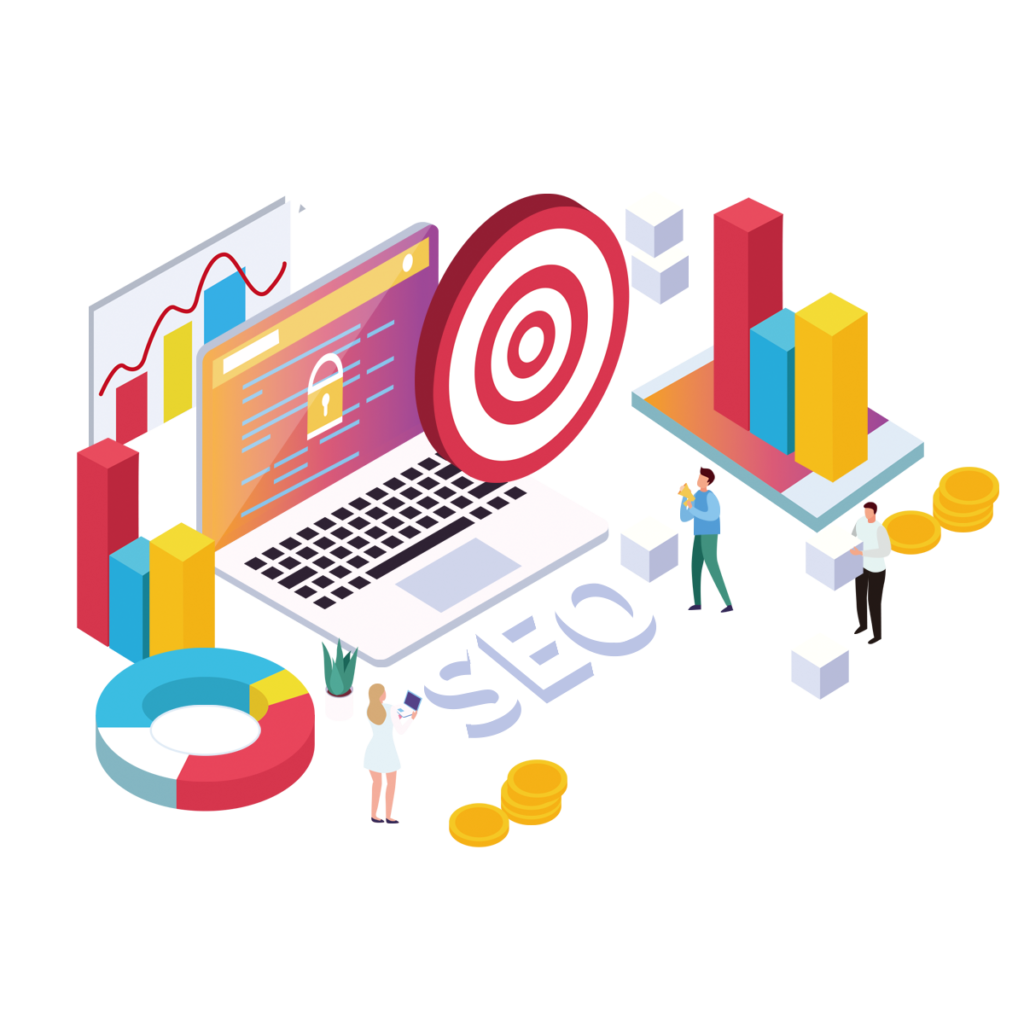
In today’s competitive digital world, businesses need a strong online presence to attract customers, generate leads, and increase sales. Two of the most effective digital marketing strategies for achieving these goals are SEO and PPC. Search Engine Optimization (SEO) helps businesses improve their organic visibility in search engines, while Pay-Per-Click (PPC) advertising allows businesses to pay for targeted advertisements that appear in search results and across digital platforms.
Although SEO and PPC work differently, both have an important role in a successful digital marketing strategy. Understanding their differences, needs, advantages, and importance can help businesses decide where to invest their marketing budget.
What Is SEO?
SEO stands for Search Engine Optimization. It is the process of improving a website so that it can appear higher in organic search engine results.
SEO focuses on improving a website’s relevance, authority, technical performance, and user experience. When users search for products, services, or information related to a business, effective SEO can help the website appear in front of those potential customers without paying for every click.
Important SEO activities include:
- Keyword research
- On-page optimization
- Technical SEO
- Content creation
- Internal linking
- Link building
- Local SEO
- Website speed optimization
- Mobile optimization
- Competitor analysis
- Conversion optimization
The main purpose of SEO is to build sustainable organic visibility and attract relevant visitors over time.
What Is PPC?
PPC stands for Pay-Per-Click advertising. It is a form of paid digital advertising where businesses typically pay when someone clicks on their advertisement.
PPC allows businesses to target users based on factors such as:
- Keywords
- Location
- Demographics
- Interests
- Search behavior
- Devices
- Audience characteristics
For example, an online store selling shoes can create a PPC campaign targeting people searching for specific products such as running shoes or men’s sneakers.
One of the biggest advantages of PPC is speed. Once a campaign is approved and properly configured, advertisements can begin appearing in front of potential customers much faster than a new SEO campaign can generate organic rankings.
The Main Difference Between SEO and PPC
The biggest difference between SEO and PPC is how businesses obtain visibility.
SEO provides:
- Organic search visibility
- Long-term traffic potential
- Sustainable website growth
- Authority and credibility
- Content-driven traffic
- Compounding benefits over time
PPC provides:
- Immediate paid visibility
- Precise audience targeting
- Faster traffic generation
- Budget control
- Quick campaign testing
- Measurable advertising results
SEO generally requires patience because improving rankings can take time. PPC can generate traffic quickly, but the traffic usually stops when the advertising budget is paused.
Why Businesses Need SEO
SEO is important because consumers increasingly use search engines to research products and services before making purchasing decisions.
A business with strong organic visibility can continuously attract potential customers who are actively searching for relevant solutions.
The major needs for SEO include:
- Building long-term online visibility
- Increasing organic website traffic
- Establishing industry authority
- Reaching users with search intent
- Reducing dependence on paid advertising
- Supporting local customer acquisition
- Creating sustainable digital growth
SEO can be especially valuable for businesses that want to build a strong online presence over several years rather than relying exclusively on short-term advertising campaigns.
Why Businesses Need PPC
PPC is particularly useful when a business needs immediate visibility or wants to reach a specific audience quickly.
Businesses may need PPC for:
- New product launches
- Limited-time offers
- Seasonal promotions
- Lead generation
- E-commerce sales
- Event promotion
- Local service advertising
- Testing new markets
- Increasing short-term website traffic
PPC can also provide valuable marketing data. Businesses can test different keywords, advertisements, landing pages, offers, and audiences to discover what produces the best results.
SEO vs PPC: Which Is More Important?
There is no universal winner between SEO and PPC. Their importance depends on a business’s goals, budget, industry, competition, and timeline.
SEO may be more suitable when a business wants:
- Long-term organic growth
- Consistent search visibility
- Brand authority
- Sustainable traffic
- Lower dependence on advertising
PPC may be more suitable when a business needs:
- Immediate traffic
- Fast lead generation
- Quick sales
- Targeted advertising
- Rapid campaign testing
For many businesses, the strongest approach is to use both.
Combining SEO and PPC
SEO and PPC can complement each other extremely well. Instead of treating them as competing strategies, businesses can use them together to create a stronger search marketing strategy.
For example, a company can use PPC to immediately promote a service while its SEO campaign works toward achieving organic rankings for the same target keywords.
Businesses can also use PPC data to improve SEO strategies. Keywords that generate conversions through paid campaigns may provide valuable insights into which topics and search terms deserve greater attention in organic content.
Similarly, SEO can identify valuable search queries that can later be tested through PPC campaigns.
Cost Considerations
SEO and PPC have different cost structures.
With SEO, businesses typically invest in:
- SEO professionals or agencies
- Content creation
- Technical improvements
- Website development
- Link-building activities
- SEO tools and research
SEO may require a significant initial investment, but successful rankings can continue generating organic traffic without paying for every individual click.
With PPC, businesses generally pay for advertising clicks or other campaign actions depending on the advertising platform and campaign model. Costs can vary considerably based on competition, industry, keywords, location, and targeting.
Therefore, businesses need to monitor their return on investment (ROI) rather than simply focusing on traffic numbers.
Measuring SEO and PPC Success
Both strategies require proper measurement.
SEO performance can be evaluated through:
- Organic traffic
- Keyword rankings
- Organic conversions
- Click-through rates
- Backlink growth
- Engagement
- Leads and sales
PPC performance can be measured through:
- Click-through rate
- Cost per click
- Conversion rate
- Cost per conversion
- Return on ad spend
- Leads
- Sales
- Advertising revenue
The most important metric is not simply how many people visit a website. Businesses should determine whether that traffic produces meaningful business outcomes.
SEO vs PPC for Small Businesses
Small businesses often have limited marketing budgets, making the decision between SEO and PPC especially important.
SEO can help small businesses build long-term visibility and compete for valuable search terms. Local SEO can also help businesses appear when customers search for nearby services.
PPC, on the other hand, can provide targeted exposure without requiring a business to wait for organic rankings.
A practical strategy may be to use PPC for immediate customer acquisition while gradually investing in SEO to build long-term organic traffic.
Conclusion
SEO and PPC are two powerful but different digital marketing strategies. SEO focuses on building organic visibility, authority, and sustainable traffic, while PPC provides immediate paid visibility and precise targeting.
SEO is valuable for businesses that want long-term growth, while PPC is useful for businesses that need quick results, targeted traffic, and measurable campaigns.
The most effective digital marketing strategy is often not about choosing SEO or PPC. Instead, businesses can combine both to achieve immediate results while building a strong foundation for long-term growth.
By understanding their individual needs, costs, advantages, and limitations, businesses can create a balanced digital marketing strategy that attracts customers, increases visibility, generates leads, and supports sustainable growth.